Nine Side-by-Side Insights You Never Expected About Lifting Robots
On the Dock, Under the Clock: A Quick Comparative Look
I’ve watched a loading bay run like a kitchen line during the lunch rush—tight spaces, hot deadlines, and no room for waste. In that rhythm, a lifting robot sits where the heavy pans used to be: the workhorse. When teams add a robot lifter, the timing of every “course” shifts. Sites often report double-digit cuts in idle time, yet bottlenecks stay (strangely) sticky—funny how that works, right? You can see the culprits in the small stuff: wandering pallets, missed handoffs, and human fatigue stacking up by 2 p.m. An AMR with LiDAR and force-torque sensors can help, but only if the flow is plated well and the payload fits the recipe.
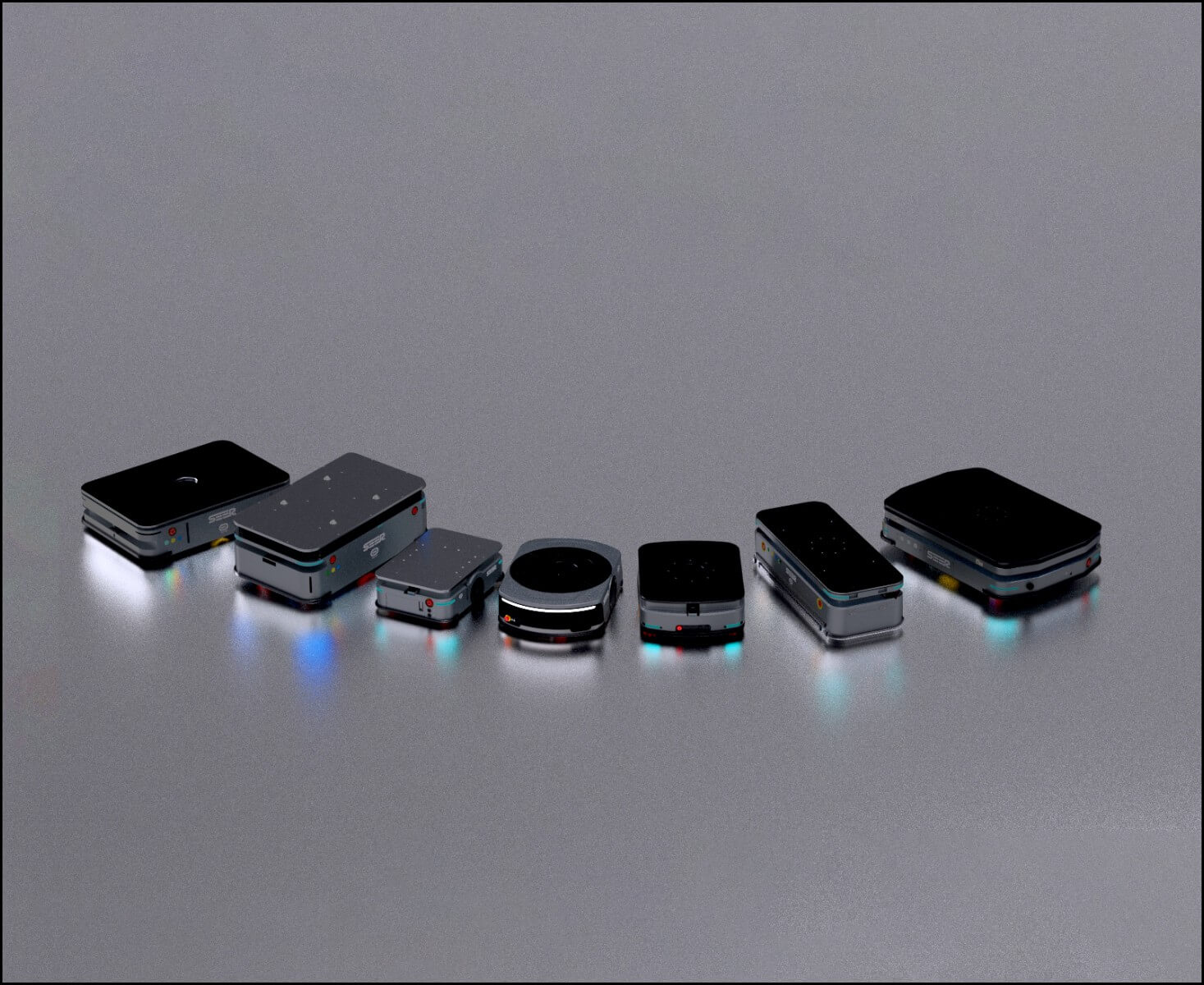
Here’s the data point that matters in practice: manual touches expand as the queue grows, and that compounds errors. It’s like over-salting a stock; you don’t notice until it’s too late. Teams add staging zones, then add people to watch the staging zones, and cycle time creeps. So the question: which steps truly need hands, and which steps can be automated without breaking the line? (Hint: not the same in every warehouse.) Let’s move from signs and symptoms to the source. Next up: where the friction hides and why traditional fixes often miss it.
The Deeper Cut: Hidden Pain Points You Don’t See Until It’s Late
Where do old habits break?
When we talk about a robot lifter, most teams imagine speed. The hidden pain is stability. Look, it’s simpler than you think: the hard part is not the lift; it’s predictability across shifts. Traditional setups stitch together a PLC, a few edge computing nodes, and power converters, then hope the signal timing holds under load. But under peak demand, queue depth rises, SLAM updates get noisy near metal racks, and the plan slips. Operators then “tap the brakes,” and the system drifts back to manual. You don’t see the failure in the spec sheet; you feel it at 4:10 p.m.
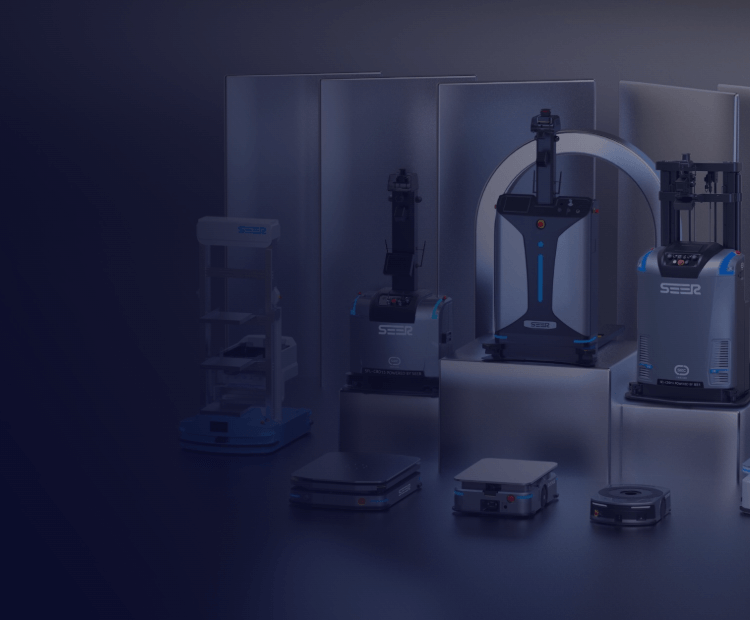
Another quiet issue: handoff choreography. The robot meets the pallet, but the pallet isn’t squared, or the aisle is half-blocked. That triggers a retry, then another. Tiny delays add variance; variance ruins takt. Most teams think “more robots” is the fix. Often, it’s fewer retries, better pallet discipline, and clearer exception rules. Without that, even a good robot lifter becomes a fast waiter standing in the wrong spot. The result is a floor that looks automated but still runs on human corrections—just slower and more expensive.
What’s Next: Principles, Comparisons, and Clear Checks
Real-world Impact
So, what changes the game—really? New control stacks use model predictive control to smooth motion and reduce oscillation under mixed payloads. Pair that with upgraded kinematics models and a harmonic drive, and the lift feels steady even on uneven floor. Add better sensor fusion, and the map stays clean near reflective surfaces. In short, fewer retries. Now compare old to new: legacy lifts rely on periodic updates; the modern robot lifter can stream plan adjustments over CAN bus or ROS 2 without jitter. That means fewer “freeze and think” moments—those brutal five-second stalls. It’s not about running faster all the time; it’s about never stumbling when it’s busy.
From here, take an advisory lens. If you’re choosing a system, track three evaluation metrics. First, exception recovery time: how fast does the robot unstick itself after a blocked aisle—seconds, not minutes. Second, repeatability under load: the same path, same turn radius, same dock alignments at 10%, 50%, and 90% payload. Third, end-to-end cycle variance: measure not just average time, but the spread. Wide spreads break schedules. Put these next to your current baseline and see what moves; you might find that one small fix—staging rules, or a map tweak—outperforms buying two more units. That’s the quiet lesson from the floor, and it’s worth keeping on the line card. For deeper system craft and steady hands in the details, you’ll find it at SEER Robotics—no hard sell, just the right mise en place for the job.