Heroic Advances in Biosynthesis of RNA: Unveiling the Transport Attributes
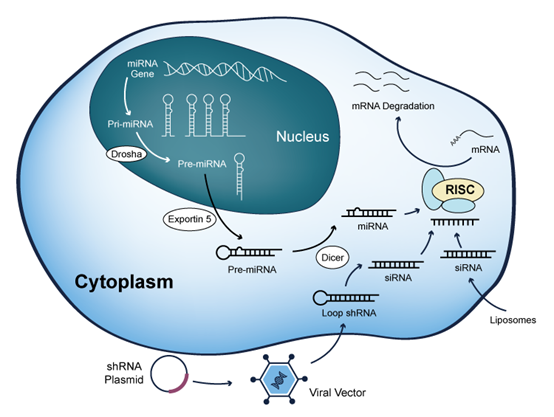
The world of biotechnology is constantly evolving, and at its forefront lies a fascinating process that holds immense potential for innovation—the biosynthesis of rna. But what makes this process so crucial? How does it influence not only cellular functions but also the logistics behind genetic material transport? Join me as we delve into the intricacies of RNA biosynthesis and uncover its remarkable transport attributes.
Understanding Biosynthesis of RNA: A Gateway to Efficient Transport
Biosynthesis of RNA is a fundamental biological process where ribonucleic acid (RNA) molecules are synthesized from DNA templates. This intricate mechanism plays a pivotal role in gene expression and regulation. One notable characteristic is its ability to facilitate efficient transportation within cells, ensuring timely delivery to various cellular compartments. Moreover, when considering scheduling and dispatching—essential processes in both natural systems and synthetic biology—RNA’s transport properties become even more critical, allowing for precise timing in protein synthesis and other metabolic activities.
Diving Deeper: Cloning and Subcloning’s Role in Scheduling and Dispatching
cloning and subcloning techniques serve as essential tools within the realm of molecular biology, particularly concerning scheduling and dispatching mechanisms related to biosynthesis of RNA. By creating multiple copies or variants of specific DNA sequences, these methods enable researchers to optimize conditions for effective transcription processes. This optimization directly impacts how efficiently RNA can be produced, transported, and utilized by cells during critical phases such as growth or response to environmental changes.
Synthetic Biology: Revolutionizing Scheduling and Dispatching with Synbio
Synthetic biology (Synbio) takes these concepts further by integrating engineering principles into biological systems. In terms of scheduling and dispatching, Synbio allows us to design custom pathways that enhance the efficiency with which RNAs are synthesized based on demand signals from within an organism or system. This innovative approach ensures that resources are allocated effectively while maintaining high levels of productivity—a game-changer for industries reliant on biotechnological advancements.
Conclusion: The Future Landscape Shaped by Biosynthesis of RNA

In summary, the biosynthesis of RNA stands at a crossroads where traditional biological understanding meets cutting-edge technological applications like cloning/subcloning techniques alongside synthetic biology innovations. Its unique transport attributes play an indispensable role in enhancing scheduling and dispatching capabilities across various fields—from pharmaceuticals to agriculture—ultimately paving the way for groundbreaking developments that could redefine our approach toward biotechnology solutions.