How Professionals Rethink Makeup Packaging at the Factory Level?
Introduction: Comparing What Works vs. What Looks Good
First, let us get clear on one thing: packaging is a system, not a box. In this system, make up packaging manufacturers stand at the junction of design, cost, and performance. Imagine a Nairobi indie brand rushing to launch before Ramadan; the cartons arrive glossy, the pumps sparkle, yet 1 in 5 testers misfire on the shelf. Internal audits in beauty often show that packaging failures drive a large share of returns, sometimes near 30%—mostly from leaks, cap back-off, or shade drift. If the component looks premium but torque testing is off, the consumer feels it in one twist. And once that trust is dented, recovery is costly (pole pole is not how markets move). So, what defines quality you can feel and measure? A blend of materials, tolerance control, and clever checks, not just pretty shells.
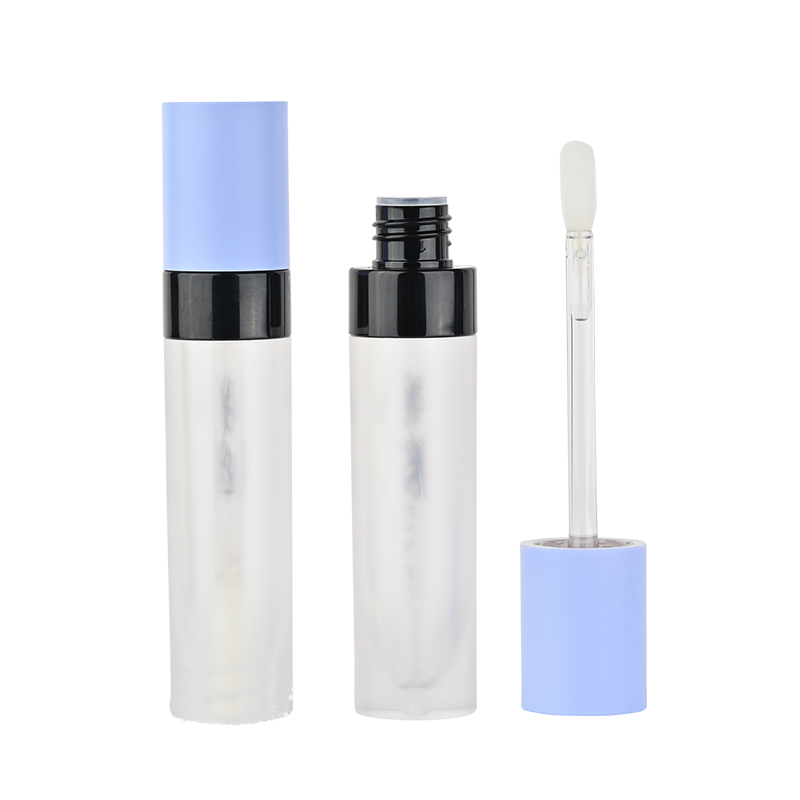
We will compare where standard practice falls short and what a better path looks like—one that is both scalable and fair on cost. On we go.
Hidden Friction: The User Problems We Don’t See (Until It’s Late)
What’s the real snag?
Here is the trouble with many makeup packaging suppliers: the spec sheet looks fine, but the real user journey is uneven. Pumps need priming; if the orifice and spring rate do not match the formula’s viscosity index, the first five strokes feel “dead.” Caps need grip; if torque is inconsistent, caps back off in transit and the shelf gets messy—funny how that works, right? If the bottle wall is too thin from poor mold flow analysis, labels ripple and brand fonts skew. These are not cosmetic issues; they are engineering misses. Look, it’s simpler than you think: set ISO 22715 checks for dimensions, then link them to real-use tests like drop-test protocols and thermal cycling. Add tolerance stack-up reviews at the assembly stage, not just at the mold trial.
The pain points hide in hand feel and repeatability. A matte cap that chips because the UV-cured coating is too brittle. An airless pump that draws air due to a micro-gap at the weld seam—fixable by tighter ultrasonic welding windows. A compact pan that shatters because the hinge pin is undersized. Users do not report these in technical terms; they just stop trusting the brand. Meanwhile, MOQs and long lead times push teams to cut corners on torque testing or PCR resin trials. And that is costly in the end, because field failures multiply downstream in returns and reputation. Small gaps at the plant become big gaps in a shopper’s hand.
Forward Look: Principles That Raise the Bar, Not Just the Price
What’s Next
From here, compare two paths: more inspection vs. smarter design and sensing. The second wins. A capable makeup packaging supplier now uses digital twins of pumps and caps to simulate flow, venting, and wear before a tool is cut. Mold flow analysis predicts sink and warpage so the wall stays true under label. Edge computing nodes on the filling line watch live torque curves and reject cap back-off in real time. Power converters stabilize drive systems so sensor readings do not drift. Materials also change the game: switching to anodized aluminum collars with tighter tolerances, or to PCR resin with controlled MFI, keeps form stable through heat and transit. These principles reduce firefighting later (and they build quiet confidence with QA teams).
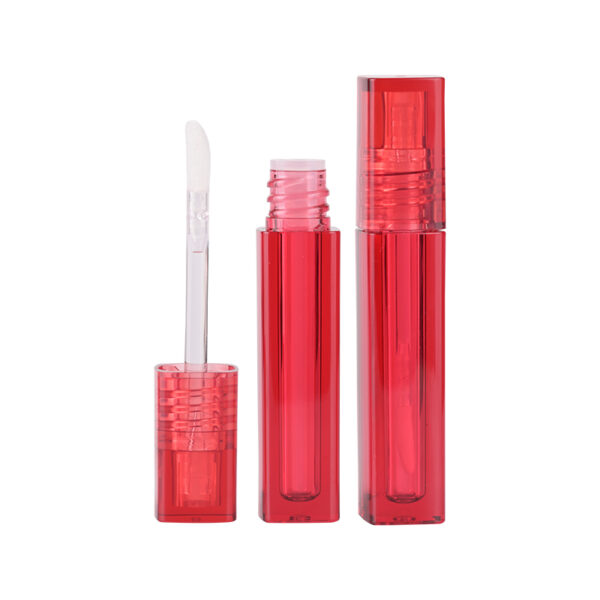
Then add traceability. RFID or QR batch tags carry supply chain telemetry, linking cap torque, pump shot volume, and ambient temperature from line to shelf. LCA models rank each option—airless vs. dip tube, PETG vs. PP—so sustainability is a calculation, not a claim. Hot runner systems cut runner waste; modular tooling reduces changeover. The net effect? Fewer surprises in retail, more stable launches, and easier regulatory checks. We have moved from “find defects” to “design defects out.” Same budget band, different outcome.
How to Choose: Three Metrics That Separate Talk from Proof
To make a sound call, compare suppliers using three clear metrics. First, process capability: ask for Cp/Cpk on critical-to-quality dimensions (neck finish, pump stroke, closure torque) across at least three runs; include evidence of drop-test protocols and thermal cycling. Second, data backbone: require inline sensing for torque and leakage, plus batch-level traceability that ties back to tooling cavity and material lot; a simple dashboard is fine if it is accurate. Third, system fit: verify that the component-formula pair is validated with viscosity index windows, wear tests on hinges and threads, and shelf-life checks under UV. If a partner can show these without fuss, you will feel it in the stability of your next launch—sawa. For teams needing a steady, informed partner across these steps, consider NAVI Packaging.