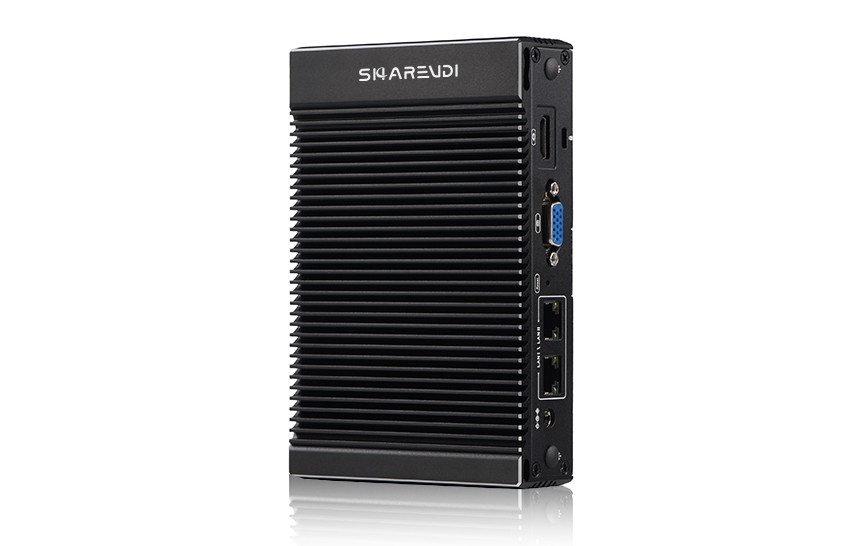
The Legal Landscape of Embedded PC Fanless: What You Need to Know
Did you know that the global embedded systems market is expected to reach a staggering $200 billion by 2026? With such explosive growth, it’s no wonder that embedded pc fanless designs are becoming increasingly popular in various industries. But as we dive into this fascinating world, it’s essential to understand the legal and regulatory attributes surrounding these devices.
Understanding Embedded PC Fanless and Its Legal Attributes
Embedded PC fanless systems are compact computing solutions designed without traditional cooling fans, making them ideal for environments where dust or moisture can be an issue. From a legal standpoint, these devices must comply with several regulations concerning safety standards and electromagnetic compatibility (EMC). Additionally, stakeholders involved in their development and deployment have specific rights and responsibilities regarding data protection and environmental impact. It’s crucial for manufacturers to stay informed about these laws while ensuring they meet stakeholder expectations.
Diving Deeper into Rugged Embedded Computers and Stakeholder Rights
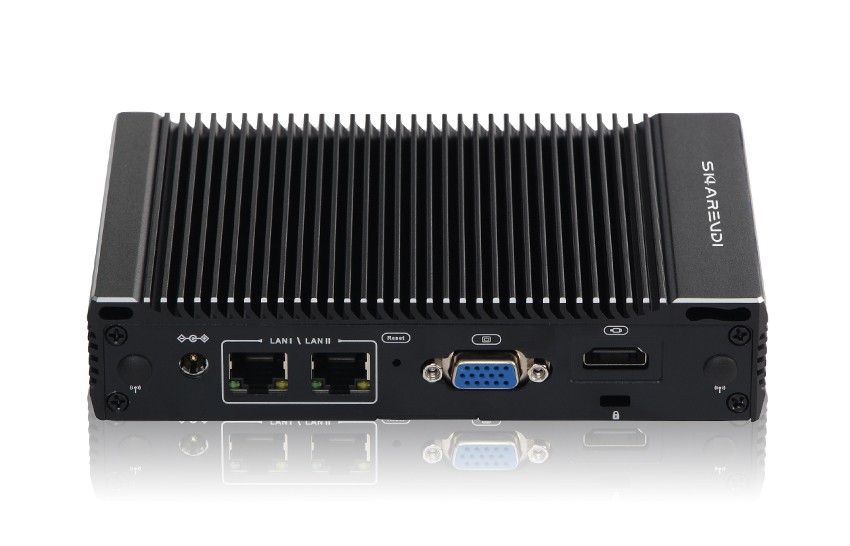
rugged embedded computers take durability up a notch—they’re built to withstand extreme conditions like high temperatures or vibrations. In terms of stakeholder rights and responsibilities, manufacturers must ensure that their rugged products not only adhere to industry-specific regulations but also consider user safety during operation. This means providing clear guidelines on usage limits, maintenance requirements, and warranty information so users know what they’re getting into when using these robust machines.
The Characteristics of ShareVDI in Stakeholder Rights
When discussing sharevdi (Virtual Desktop Infrastructure), there are several key characteristics related to stakeholder rights:
- User Privacy: Ensuring data security through encryption protocols protects user information from unauthorized access.
- Compliance Standards: Adhering to GDPR or HIPAA ensures that organizations maintain compliance with relevant data protection laws.
- User Support: Providing accessible support channels empowers users with resources needed for troubleshooting issues effectively.
- Sustainability Practices: Implementing eco-friendly practices aligns with growing consumer demand for responsible technology use.
- Acknowledgment of User Feedback: Actively seeking input from users helps improve product offerings while fostering trust between stakeholders.
Your Takeaway on Embedded PC Fanless Systems
The landscape surrounding embedded PC fanless technologies is rich with opportunities—and challenges—especially when it comes to understanding stakeholder rights and responsibilities. By staying compliant with legal frameworks while prioritizing user needs, companies can navigate this complex environment successfully. As we continue embracing innovation in our tech-driven world, let’s remember the importance of responsibility towards all stakeholders involved!